
Flogging Sessions in NYC
Flogging
The rhythm tool. The one that shakes a body open.
Flogging, explained
If you've ever stood under a heavy hand on the back of your neck, eyes closed, and felt your shoulders drop without deciding to drop them, you already know something about what flogging is for. The flogger is the only impact tool I keep that does light sensation well, and one of the very few that can take a body from clenched to open without ever pushing into pain. In my Manhattan studio, flogging is often where I start when I'm trying to get someone out of their head and into their body. New York rewards that move. The rhythm of a flogger does it faster than almost anything else.
In Manhattan, NYC Dominatrix Viktoria Sway treats flogging as a particular kind of impact play, itself one piece of the wider landscape of BDSM in NYC, the one with the widest sensation range, the one whose rhythm carries as much of the scene as the strikes do, and the one most likely to take a bottom into a slow drift instead of a sharp adrenaline spike.
What Flogging Actually Does
Three things, mostly. It applies sensation across a wide area of skin instead of a small one, a flogger lands across muscles, a paddle lands on a single zone. It can be soft. With a deer-tail or a soft-falled flogger, the strike is closer to a brushing weight than a sting; you can do an entire scene with a flogger and never approach what most people would call pain. And it shakes the body. A heavier flogger swung into the meat of a back or thighs vibrates muscle, and that vibration is part of what releases tension that has nowhere else to go.
That last one is the move most people don't know about. Anyone who's had deep tissue bodywork knows what it feels like when a held-tight muscle finally lets go. A heavy flogger, applied with rhythm, does a version of the same thing, but with adrenaline, breath, and a different part of the nervous system in the loop. There's actual research on this: rhythmic tactile stimulation produces a parasympathetic shift comparable to slow stroking, it drops heart rate, slows breath, and moves the body toward the rest-and-restore branch of the autonomic system (Croy et al., 2024). The flogger is doing this on top of impact, not instead of it. The release is fuller because the whole body is involved.
Who Flogging Is For
People who want to drift more than people who want to be jolted. The flogger has a rhythm to it, the thrower's arm, the swing, the contact, the recovery, and certain bodies hook into that rhythm and float on it. Those are my favorite flogging clients. The strikes become almost incidental. What's actually happening is the body is using the regularity of the impact as a metronome, and the mind drops away from that metronome the way it drops away from breath in meditation.
It's also the right starting tool for people who don't yet know what their body wants. A flogger lets me do quiet sensation, then build into stronger sensation, then back off, all without changing the implement. Other tools commit you to a register. The flogger is the most flexible thing I own.
What's actually happening is the body is using the regularity of the impact as a metronome, and the mind drops away from that metronome the way it drops away from breath in meditation.
How I Choose Between Floggers
I have multiple floggers, different weights, different materials, different tail counts. When I'm working with someone, I'm reading their body and their state, and choosing the implement I think will do the most for them in this moment. I'm watching how a body holds, where the tension lives, what the breath is doing, what the eyes are doing, and the flogger I pick comes out of that read. While I'm doing it, I'm just reading and reaching.
Soft Fall
Deer, lambskin. The strike is closer to a brushing weight than a sting; you can do a whole scene with this and never approach what most people would call pain. Dragged across skin, it feels beautiful, almost like fur. The opener for someone who hasn't been touched like this before.
Heavy Thuddy
Thick leather, suede. Sinks weight into specific muscle. This is the one that vibrates muscle and releases tension that has nowhere else to go. Dragged across skin, it can feel scratchy in a way that wakes the skin up before the first strike lands. Heavy thuddy flogging can leave marks, light sting and soft fall almost never do. We talk about this in negotiation; you tell me what your week looks like.
Light Sting
Rubber, paracord. Wakes the skin up. Different register entirely from soft fall, sharper, brighter, less warming. A stingier tail to rouse someone whose body has gone too quiet, or to break a rhythm cleanly so the next stroke registers.
If a flogger you've felt before isn't doing it for you, the answer is rarely "go harder." The answer is usually "different flogger."
The Tensions and Tones Flogging Carries
Flogging is unusual among impact tools because of how easily it sits in Sensual tone, most impact reads as discipline or punishment by default; flogging can read as worship if the rhythm and the implement are right. Devotion / Ritual lives well here too: a long, slow flogging with steady cadence is one of the most ritual-feeling scenes available.
For tensions, flogging carries Anticipation especially well, the rhythm sets a pattern, and breaking the pattern is where the charge lives. High Intensity in flogging is steady-state escalation rather than peak strikes; the tool doesn't deliver the sharpest hit on the page, but it can sustain a scene longer than almost anything else.
Map your own pattern
Flogging hits very differently for someone built for Sensual + Anticipation than for someone built for Forbidden + Push-Pull. The quiz maps your shape.
Take the BDSM Blueprint Quiz →Flogging sessions in NYC
How Flogging Fits in a Session
Almost always early. After the hand, before paddling. It's the warm-up that doubles as a real scene, for some people, a flogging-only session is the whole arc, and we don't need to climb the implement ladder at all. For others, flogging opens the body up so that the heavier tools later in the scene can hit where they need to hit. When someone comes in with bracing as their default, held shoulders, shallow breath, jaw locked, flogging is what I reach for first, because the rhythm gets through bracing in a way that single hard strikes don't. By the time we move to a heavier tool, the body is already organized differently.
What that looks like from the inside: the rhythm has been steady for several minutes, the strikes have stopped feeling like individual events, your breath has dropped into the cadence, and the part of your mind that was tracking each impact has gone quiet. People sometimes call this subspace. Flogging is one of the most reliable doorways into it.
Going Deeper
Flogging sits inside the broader BDSM landscape in NYC and inside the impact-play family specifically. The full picture of what makes a flogging scene work, tension, tone, rhythm, your specific erotic patterning, is what I teach in the BDSM Blueprint class. For people who want to think about why specific implements pull on them specifically, Hidden Logic of Desire goes into the patterning underneath the preference.
For the wider map of related topics, see the BDSM overview.
Explore More
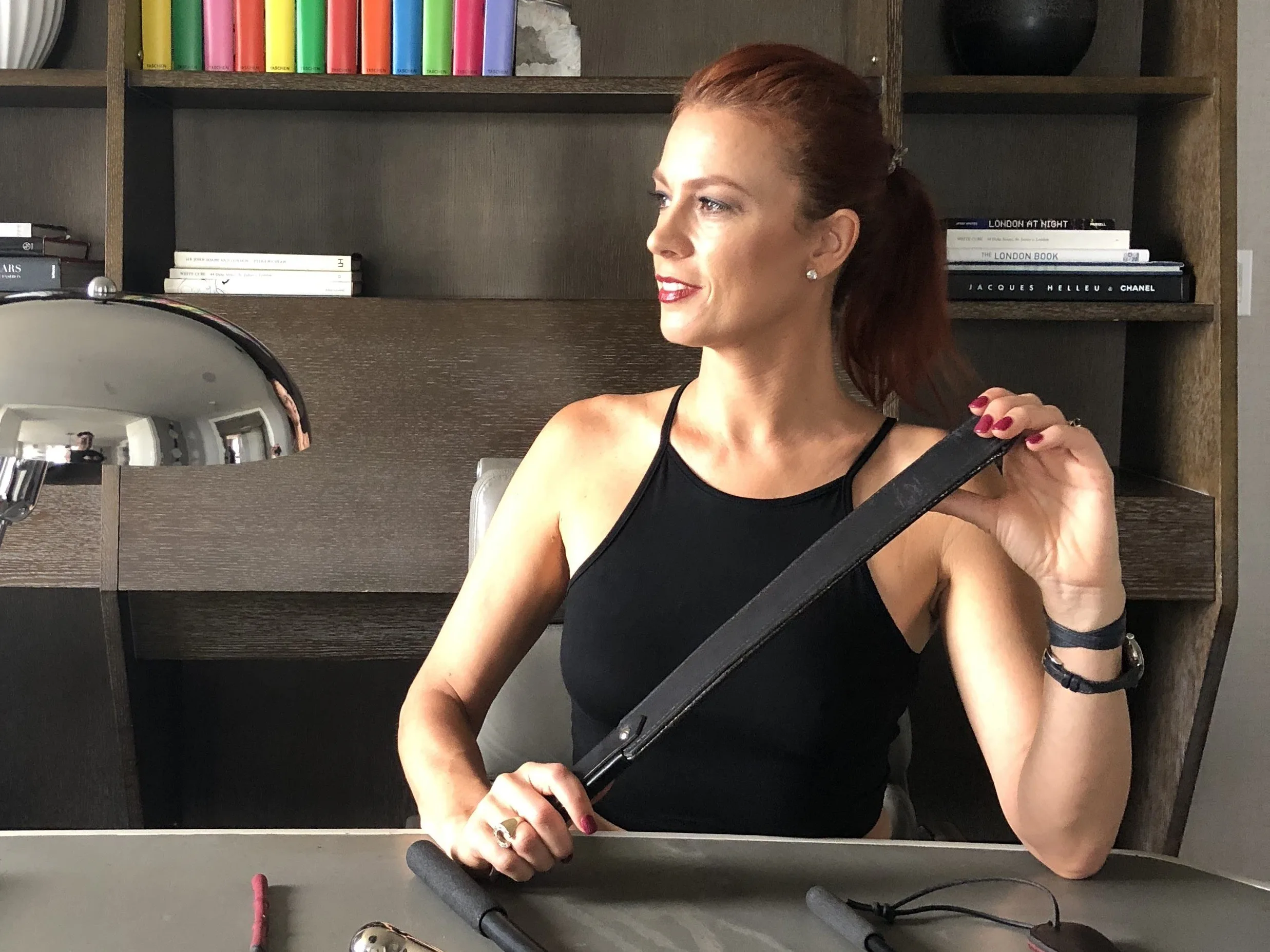
Impact Play
What impact play actually is, how bracing vs. receiving changes everything, and what to expect in session.
Spanking
Impact play in NYC, hand, paddle, crop, cane. How tone changes what your body responds to.
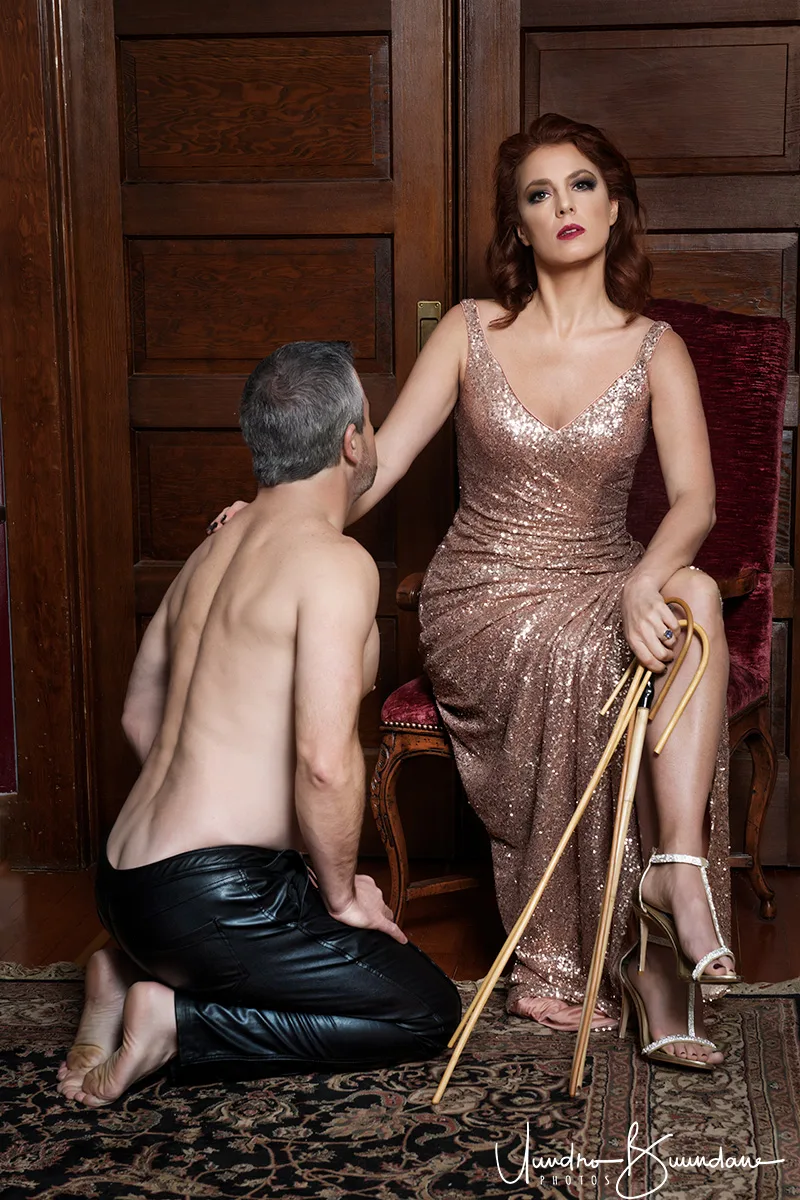
Caning
Precision impact: a narrow line of contact, adrenaline, and the option of marks.