
Fear Play Sessions in NYC
Fear Play
Fear is the one strong feeling adult life trains you to suppress. A scene gives you somewhere to actually meet it.
What you're after isn't the scare. It's what the scare opens, the narrowing down to just this room, just this moment, just the fact of your own body responding. Most people learn to manage that state away. You came here because you want to run toward it, with a Mistress who knows the terrain.
In Manhattan, NYC Dominatrix Viktoria Sway works the full range of BDSM practice, including fear play sessions that split into two distinct lanes. One lane uses fear as a body mechanism, adrenaline, the threat-response, the particular kind of presence it opens. The other uses fear as content: your specific fears, the ones you have spent years managing, brought into a room where you can finally feel them. Which lane you want decides almost everything else about how a session gets designed.
Adrenaline, not endorphinsAdrenaline vs. endorphins, what makes fear play different
A useful starting frame: most BDSM activities you have heard of run on endorphins. Impact, sensation, intense pain, the body releases its own opioids in response, and that release is part of what produces subspace, the warm dissolved state people associate with hard scenes.
Fear play doesn't run on endorphins. It runs on adrenaline. The body's threat-response kicks in, heart rate up, attention narrows, breathing shallows, time slows. That is a completely different chemistry and a completely different altered state. Fear-driven scenes feel sharper, more alert, more present than endorphin scenes. People come out of them wired, not dissolved.
This matters for two reasons. First, if you have tried impact play and not gotten what you were looking for, the issue might be that your nervous system wants the adrenaline channel, not the endorphin channel. Different door. Second, and this is the harder one, adrenaline-driven scenes carry a specific risk profile that endorphin scenes don't. The body's threat response can cut off access to the safeword. Adrenaline is doing exactly what it evolved to do: keep you focused on survival, not on negotiating. That is the central technical problem of fear play, and we will come back to it.
What fear play is not
Fear play is not horror-movie reenactment. It can include masks and costumes if those work for you, but the aesthetic of horror is not the point. The point is the bodily and psychological experience.
It is not exposure therapy. People with significant trauma involving fear content, sexual trauma, violence trauma, abandonment trauma, should not use fear play as a first or primary way to work with that material. Trauma processing happens with a therapist. Fear play can sometimes integrate material that has already been worked through, but it cannot do the original processing, and trying to use it that way tends to retraumatize.
It is not coercion play. Fear play is fully negotiated, in advance, with explicit conversation about what fear content is in scope, what is off the table, and what non-verbal signals we will use when adrenaline makes verbal communication unreliable. The RACK framework, Risk-Aware Consensual Kink, names this directly: both partners are informed of the real risks, and consent is given in light of them, not despite them.
It is not a starting place. The chemistry is too specific and the stakes too high. Build other kinds of negotiation and trust first.
One scene runs on adrenaline. The other runs on what you have been carrying for years. The activities can look identical from the outside.
Fear Play NYC
Two kinds of fear play
Fear play splits into two lanes that do different work. Which lane you want, and which you actually need, shapes everything about how a session gets designed. People often arrive thinking they want one and discover, in negotiation, that they actually want the other.
Fear as mechanism, the adrenaline lane
Primal play, predator/prey, the chase, the dark room, the knife in the room, the threat of something that does not happen. This lane uses generic threat content, a blade, a masked figure, a sudden noise, the body of someone larger than you, to trigger the body's reflex. The bottom does not need specific psychology around what is being threatened; the body responds regardless. The threat doesn't have to be theatrical: a low voice that says something specific, a hand on the back of the neck in total darkness, the particular quality of silence that has someone in it. Heart rate up. Attention narrows. Time slows. The bottom is suddenly, completely, in their body. For some people this is the most alive they have felt in years.
Fear as content, the shadow lane
Working with your specific fears. The fear of being seen and judged. The fear of abandonment. The fear of being weak, of being exposed, of being known. A successful career can be a fear-of-irrelevance management strategy. A long marriage can be a fear-of-abandonment management strategy. Most people carry this material as low background pressure rather than as an experience. A scene built around the actual fear, not horror-movie fear, your fear, puts it in the center of the room. You feel it in your chest, in your throat, in the stillness just before something names it. Someone watches without collapsing. The fear gets to be fully present without the consequences of it being present in ordinary life. This is shadow territory in scene form, not because the activity is dark, but because what surfaces is.
The safeword problem, what makes this work
When the body is genuinely in a fear response, it gets harder to use a safeword. The brain prioritizes the immediate threat. The part of you that negotiates and signals can go quiet, some bottoms can speak through fear; some go nonverbal almost immediately; some go still because the fear has triggered a freeze and they cannot move. The standard "say red" model assumes someone who is functionally able to negotiate, and adrenaline can take that ability away.
The way I work with this: the safeword is set up but it is not the only line of defense. We pre-negotiate non-verbal signals, a hand position, a sound, a specific movement. And the actual point: it is my job to be reading your body throughout the scene, not waiting for you to tell me you are done. If I see you dissociating, going somewhere else mentally, leaving, the scene stops, regardless of whether you have called it.
This is the difference between someone who runs fear scenes well and someone who runs them dangerously. The good practitioner is not waiting for the bottom to manage their own safety. The good practitioner is watching breathing, micro-expressions, the quality of stillness, the place the voice goes when something is real. You should not do fear play with anyone who has not demonstrated they can read you that closely.
Tensions and Tones of fear play
Fear play is not a single dynamic. Which Tensions and Tones are operating changes what gets opened.
Anticipation runs heavy. When something has real consequence, the moment before is denser than the moment of. Slow pacing in a fear scene is often the most concentrated part, not buildup to the thing, but the thing itself. Unpredictability sits at the center: the body cannot generate a genuine fear response to something it can predict, which is why fear play in an established dynamic tends to go deeper than the same scenario with a stranger, trust frees the unpredictability to function. High Intensity is sometimes present, but the most powerful fear scenes are often slow and atmospheric, not dramatic. Intensity here is interior, not theatrical.
Tones vary by lane. Forbidden suits the adrenaline lane, the charge of being chased, threatened, taken. Devotion / Ritual holds the shadow lane, serious material calls for serious structure, and when a scene carries the weight of ceremony, a different quality of attention comes forward. Humiliation / Degradation can enter specifically when the fear content is fear of being seen.
For the person in the leading role, Fear Hit is the relevant Zing, the specific read of whether the moment took hold, whether the body responded, whether you caught it in time. It is one of the more skilled reads in BDSM.
Map your own pattern
Anticipation and Unpredictability are specific tensions... not everyone runs on them. The Blueprint Quiz shows which tensions actually drive your pattern.
Take the BDSM Blueprint Quiz →In Manhattan
How I work with fear play
Fear play is never a first-session activity. It requires knowing your body, your patterns, your fear material, and what dissociation looks like in you specifically. That is not a delay. It is what makes the scene function.
When we get there, the negotiation is specific. We agree on which lane. We agree on what fear content is in scope. We agree on signs you give me, and signs I look for in you that you may not be tracking, when you have left. We agree on what happens after.
Aftercare for the adrenaline lane is structured and grounded, not ceremonial... a deliberate close and transition. For the shadow lane especially, I take seriously the question of whether you have the rest of your life set up to hold what comes up. Fear play that surfaces material is not therapy and I am not your therapist. Integration is yours. I hold the structure. You do the carrying.
Going deeper into fear play and BDSM
Fear play sits at the far end of what BDSM makes possible, the place where the stakes become structural rather than aesthetic. One of the most charged forms of knife play sits inside the adrenaline lane. For the shadow lane specifically, BDSM ShadowPlay is the closer parallel, same psychological territory, different mechanism.
The Hidden Logic of Desire class goes after the question of why you crave what you crave, and fear material is often the answer. The Taboo: The Workshop is the right frame for the shadow lane specifically, where the fear content is tied to shame or what cannot be named in ordinary life. For people working with material that is bigger than a session can hold, I also offer coaching.
Explore More
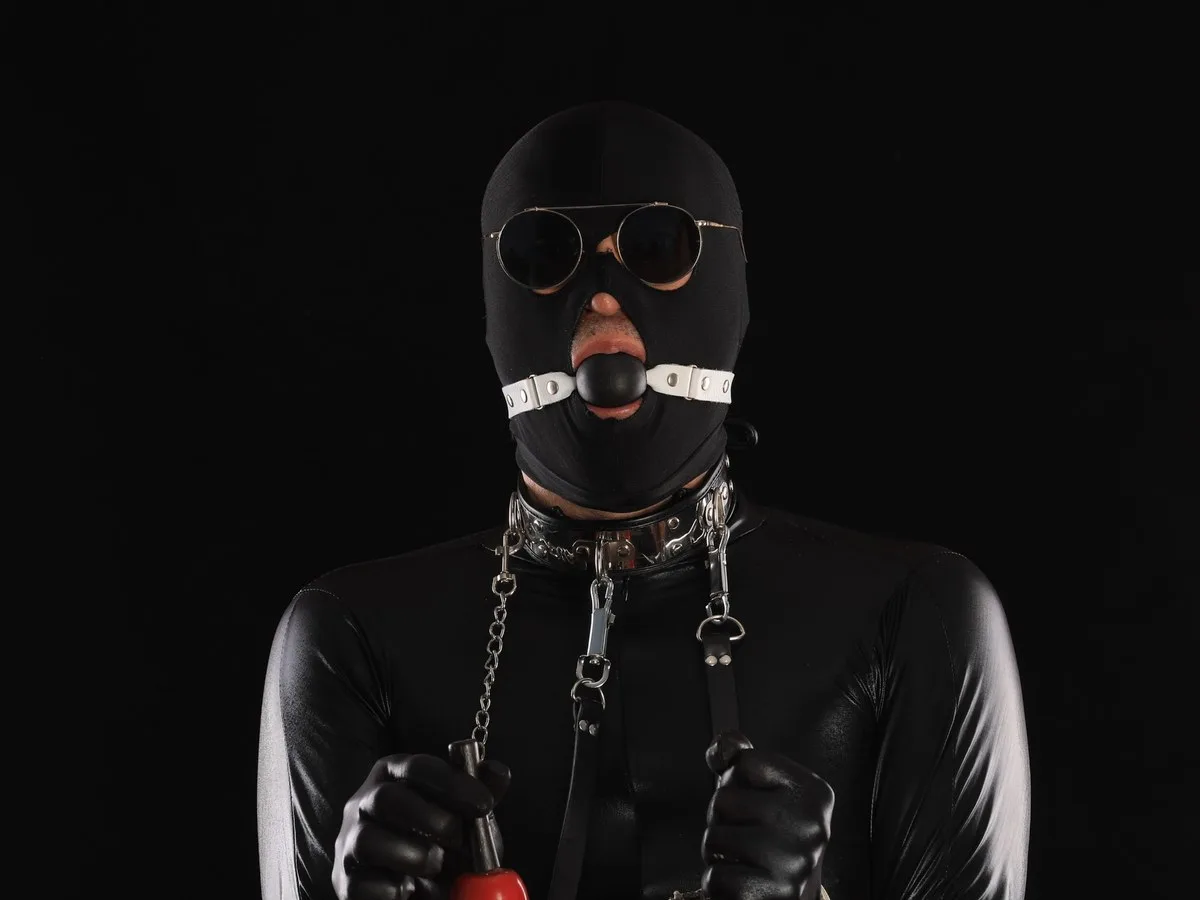
Edge Play NYC
Edge play is where the stakes are real and the masking thins. Risk-aware kink and fear play with Dominatrix Viktoria Sway in Manhattan.
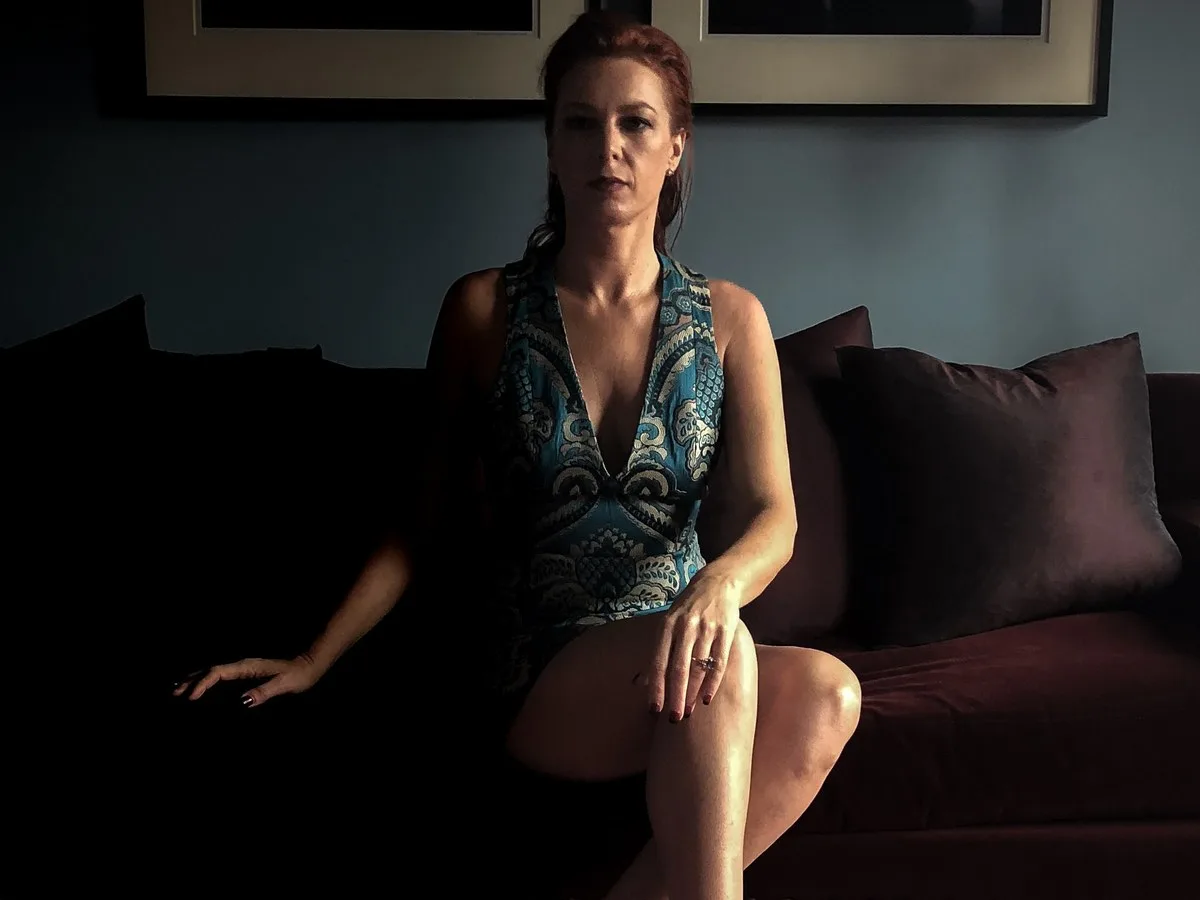
BDSM Shadow Play
Shadow play uses BDSM to meet the parts of you ordinary life will not let you become.
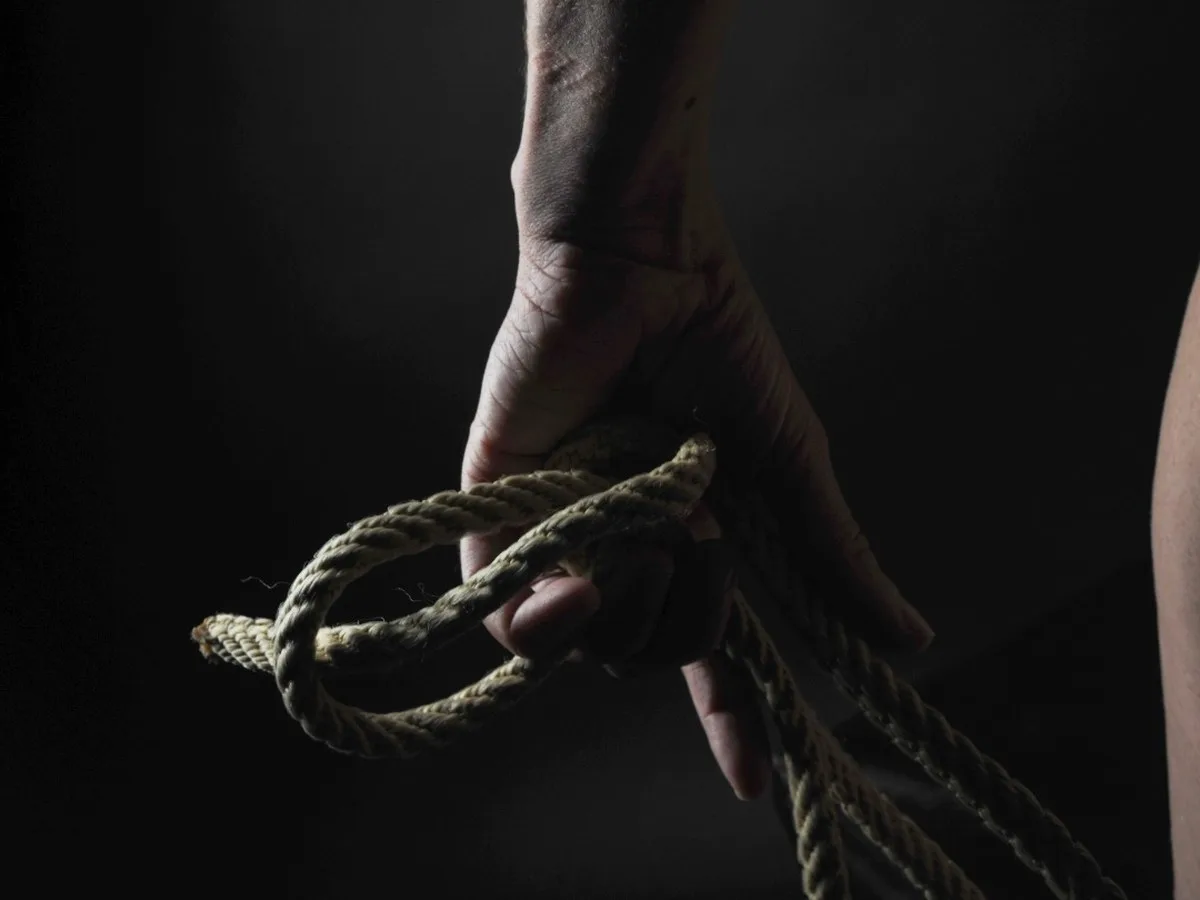
Consensual Non-Consent
CNC is not the absence of consent... it is the most extensive consent architecture in BDSM.