
Consensual Non-Consent Sessions in NYC
Consensual Non-Consent
The most extensive consent architecture in BDSM.
In Manhattan
There is a desire that most people don't know how to talk about, and many haven't fully let themselves feel. The desire to have control taken. Not offered, not negotiated in the moment, but removed. To feel the experience of having no choice, of being overpowered, of surrender that isn't given but forced, all inside a container where every element has been discussed, agreed upon, and safeguarded before anything begins.
In Manhattan, NYC Dominatrix Viktoria Sway runs consensual non-consent sessions only after the kind of negotiation most BDSM scenes never get, because nothing about this dynamic works without it. The Mistress who takes control here is the same one who built the container with you first.
What Consensual Non-Consent Actually Is
CNC is a negotiated BDSM dynamic in which the scene is designed to simulate the experience of non-consent, force, coercion, resistance, overpowering, within a fully consensual framework. Every element is discussed beforehand. Nothing happens that hasn't been agreed upon. The experience of "having no choice" is the scene. The reality of having a choice, a safeword that stops everything, is the structure that makes the scene possible.
This distinction is the entire point. CNC is not abuse with a different name. It is the opposite, an extraordinarily deliberate consent architecture that allows two people to play inside an experience that would be violation without it. The level of negotiation that goes into a CNC scene is more extensive than standard play, not less.
Consent, explainedHow the Consent Architecture Works
CNC only works when the consent framework is airtight. Everything that will happen is negotiated in advance. Not vaguely. Specifically. What activities. What language. What physical intensity. What emotional territory. What is on the table and what is absolutely not. Nothing happens in the scene that wasn't discussed and agreed upon before it began.
The safeword is the only thing that stops the scene. This is the critical structural difference between CNC and every other form of play. In standard BDSM, "no" and "stop" and "that's too much" all carry their normal meaning. In CNC, those words are part of the scene, they're expected, they're welcome, they're part of the experience of simulated non-consent. The only word that actually stops everything is the pre-agreed safeword.
This means CNC requires someone who can clearly use their safeword even when they're deep in the dynamic. It isn't for someone who dissociates under pressure, who can't distinguish the intensity of the scene from actual overwhelm, or who doesn't yet have enough self-knowledge to know where their real edge is. CNC demands more self-awareness from both people, not less.
Being in relation exposes. BDSM gives that exposure shape.
What CNC Accesses Psychologically
People are drawn to CNC for many reasons, but the common thread is this: it provides access to an experience of total surrender that can't be reached through voluntary submission alone. When you choose to submit, some part of you is still choosing. When submission is "taken", when the scene creates the experience of having no choice, the part of you that manages, monitors, and stays in control is finally overridden.
For many people, this is the only way they can get out of their own head. The adrenaline, the fear hit, the high intensity, the stakes, these bypass the thinking mind in a way that gentle permission never reaches. What comes forward is raw. The material that lives underneath the managed self, the need to be overwhelmed, the hunger for someone to be stronger than your own resistance, the desire to feel something with your whole body instead of editing it in real time, gets a voice.
CNC is also an extreme container for trust. The experience of giving someone permission to take your choices, and discovering that they hold that power with precision, attention, and care, can restructure how you understand safety in relationship. When someone has proven they can be trusted with this, the trust that develops is different in kind from anything else.
What CNC Activates, Tensions, Tones, and Zings
CNC isn't one feeling. It's a frame that intensifies whatever charge you're already wired for.
Tensions that define this topic: the tensions that live most naturally inside CNC are Push/Pull, the negotiated resistance that "no" and "stop" become part of, not an end to, Unpredictability, which keeps the thinking mind from getting ahead of the scene, and High Intensity, the decisive escalation that overrides the part of you that manages.
Tones that shape this topic: tone changes what CNC means. Forbidden is the most common register, the experience of doing what shouldn't be done, inside a structure where it can be. Strict / Discipline is a quieter variant, where the force is rule-bound and corrective rather than transgressive. Humiliation / Degradation lives here too for some people, though it deserves its own negotiation.
Zings that complete the dynamic: on the receiving side, CNC tends to surface Used, Fear Hit, and Honest Breakthrough, the last being the experience of a defended part of you finally getting through. On the leading side, Sadism and Honest Breakthrough, watching what surfaces when the managed self is overridden, and meeting it with steadiness.
Map your own pattern
Which tensions and tones are actually driving your charge?
Take the BDSM Blueprint Quiz →Consensual Non-Consent sessions in NYC
What CNC Is Not, and What It Brings Forward
CNC is not abuse. This cannot be said clearly enough. Abuse involves the absence of consent. CNC involves the most extensive consent process in BDSM. The two are not just different... they are structural opposites.
CNC is also not for people who "don't want to have a say." The person consenting to a CNC scene has the most say of anyone in any BDSM dynamic. They negotiated every element. They hold the safeword. They can end it instantly. Their agency isn't removed, it is exercised at the highest level and then architecturally protected throughout.
And CNC does not require prior trauma to be meaningful. Some people are drawn to it because of past experiences. Some are drawn to it because of temperament, because of how their nervous system processes intensity, because of what their desire is structured around. Researcher Elisabeth Sheff makes the same point in Psychology Today: consent is the entire structural difference between CNC and intimate partner violence.
What CNC does bring forward, when the container is strong enough to hold it, is shadow material people didn't know they were carrying. When the managed version of you is genuinely overridden by the dynamic, when you can't control the scene from inside your own head, what comes forward is often surprising. Sometimes it's the relief of not being in control. Sometimes it's rage that finally has a place to exist. Sometimes it's a vulnerability so deep the person didn't know it was there until the container was strong enough to hold it.
This is why CNC requires more established rapport than almost any other type of play. The material that surfaces is too raw to be held by a stranger. It asks for a dominant who can witness what comes forward without being destabilized by it, who can stay steady while the person in front of them meets something they've never met before.
It also asks for honest naming of what I do and don't provide. CNC often surfaces material that needs processing in the days and weeks after a scene, and that work is best done with a therapist or coach, not with me. I close every scene deliberately and check in briefly the day after when it makes sense. I'm not equipped to hold ongoing therapeutic processing, and I'll say so directly if that's what someone is looking for.
Going Deeper, CNC Classes and Immersives in NYC
CNC sits at a depth that most classes only gesture at. My Taboo: The Workshop explores the territory where shame, fear, longing, and desire converge, the exact psychological landscape CNC operates in. The Hidden Logic of Desire sits behind it: why a particular person is drawn to this dynamic in the first place, and what their pattern is asking for. For people who want to go further than a class, I also run immersives, longer-form experiences where this material can come forward at the depth it actually wants.
For people who want to take this further into longer-form one-on-one development, I also offer coaching.
Explore More
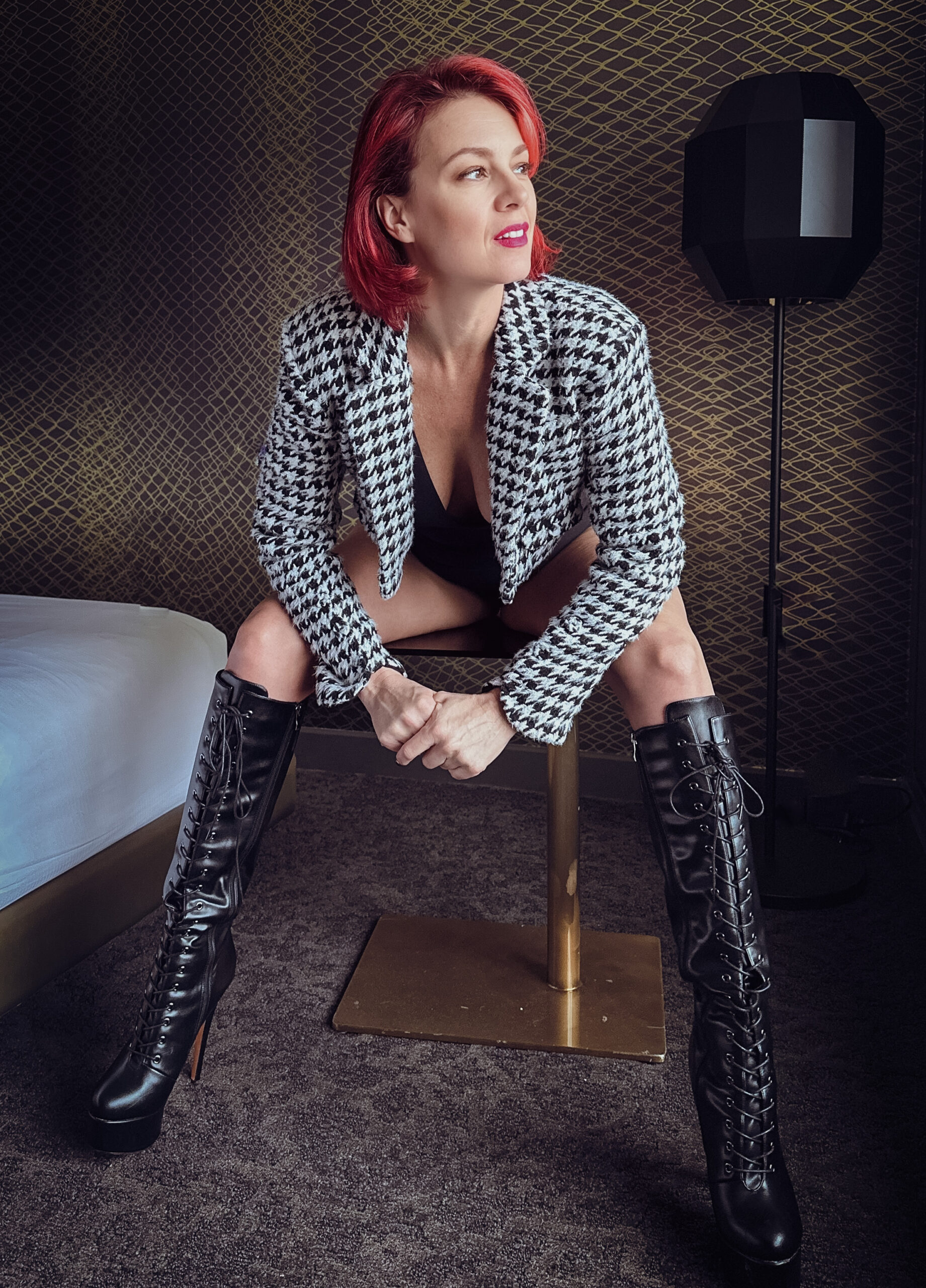
Shadow Queen
Authority as architecture, the archetype built on precision, order, and unwavering control.

Hypno Dominatrix
Erotic hypnosis with voice, trance, and suggestion, past the thinking mind into the desire underneath.
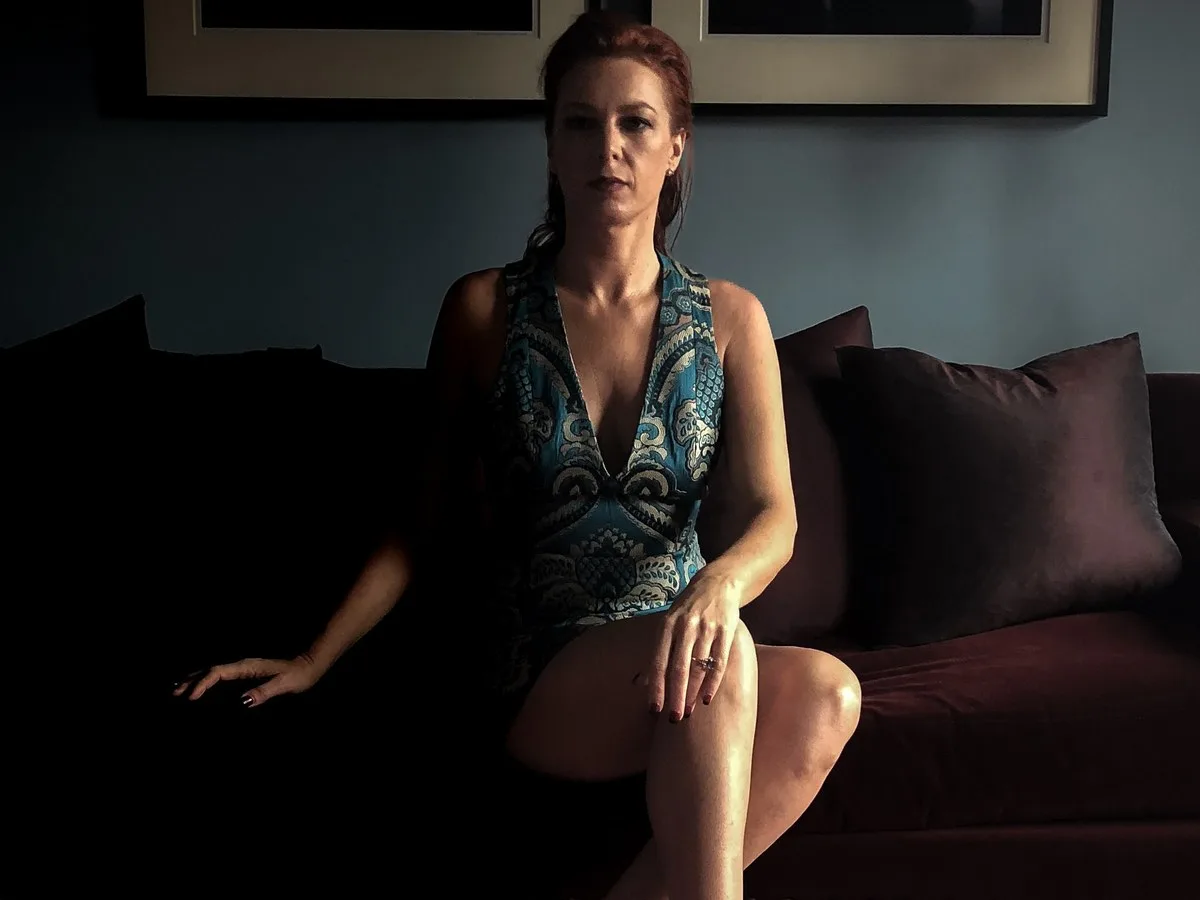
BDSM Shadow Play
Shadow play uses BDSM to meet the parts of you ordinary life will not let you become.