
Trampling Sessions in NYC
Trampling
Dominance made physical, barefoot and boots, in Manhattan.
You want the weight. Whatever else is underneath the wanting, dominance, symbolism, endurance, worship, there's the physical fact of another body pressing down, and your body holding it. The appeal of trampling isn't metaphorical. It's specific, literal, and usually a little embarrassing to articulate. That embarrassment is useful information.
In Manhattan, NYC Dominatrix Viktoria Sway approaches trampling as one of the most visceral expressions of physical control in BDSM. Trampling is dominance made physical... not implied, literal. Full weight on another person's body, and their job is to hold it. In NYC BDSM sessions, that simplicity is the point. There's no ambiguity about the power dynamic when you're on the floor beneath someone's feet. It's raw, it's demanding, and I don't include it casually. Trampling is specifically requested, and the scene gets built deliberately around the person requesting it.
Trampling, explained
What Draws Someone to Trampling
The appeal lives at the intersection of several drives. Knowing which ones are yours shapes the scene.
Physical dominance. The most literal form of physical superiority in BDSM. One body above, the other below, weight pressing down, primal and unmistakable. For people who respond to physical displays of power more than verbal or psychological ones, trampling delivers directly.
Endurance and service. Holding weight is a physical challenge. For some, that test, can I take it, can I hold still, can I be her floor, is the entire point. Submission expressed through the body's willingness to bear discomfort.
Foot worship connection. Related but not identical. Trampling emphasizes weight and pressure; worship emphasizes adoration. Many scenes weave both, worship before, tenderness after, moving between devotion and endurance.
Symbolic weight. Being beneath someone's feet carries meaning beyond the physical. Across cultures and throughout history, placing a foot on another person has signified dominance, conquest, ownership. The English word trample itself comes from the Middle English trampelen, to tread heavily, to crush underfoot. In BDSM, that symbolism is alive, consciously acknowledged or simply felt.
Most people who want trampling know that they want it before they know why. What people do in kink is often less interesting than what those dynamics let them finally feel. My Hidden Logic of Desire class works specifically on what's underneath the wanting, why a specific image, a specific position, a specific physical reality activates something nothing else does.
Barefoot, Boots, and the Line I Don't Cross
I prefer barefoot. Direct contact, skin on skin, feeling the contours of the body beneath my feet, gives intimacy and precision that footwear dulls. Barefoot, I can feel breathing, tension, subtle shifts. That feedback makes me a better practitioner, and it connects the experience for both people.
Boots change the dynamic. They add weight, distribute pressure differently, and carry their own psychological impact. Heavy boots on bare skin create a combination of vulnerability and force that some people specifically want.
I don't trample in heels. This isn't arbitrary, it's physics. Barefoot, my weight spreads across the whole sole. A stiletto concentrates that same weight into a contact patch smaller than a fingertip, and nobody walking around in heels has ever calculated the PSI they're putting down, but it's enough to break skin, bruise deep tissue, and crack ribs if the angle goes wrong. The risk doesn't justify the aesthetic. This is a line I hold regardless of request.
The choice between barefoot and boots is something we discuss beforehand. Both create powerful experiences, and both require different technique.
There's nothing abstract about trampling. My weight on your body, that's dominance you feel in your bones.
Trampling Inside a Larger Scene
While trampling can be the centerpiece, it often works as one element within a broader experience. The combinations matter, each pairing changes what trampling means.
Trampling and Bondage
Restraint before trampling adds helplessness that intensifies the dynamic. Bondage removes the option to brace, to shift, to negotiate the weight. What's left is the body underneath, holding what it's given.
Trampling and Foot Worship
Trampling and foot worship are siblings, not the same act. Worship emphasizes adoration; trampling emphasizes weight. Scenes often move between them, kissing, tasting, tending, then standing.
Trampling and Humiliation
Combined with humiliation, trampling becomes a direct statement about placement within the dynamic, literally beneath. The verbal and the physical reinforce each other: you are her floor, and her foot is on you.
Trampling and CBT
Trampling complements CBT, feet applied with intention to sensitive areas, though this requires clear communication and established trust. The precision required is significant; this isn't a first-session combination.
Tensions and Tones of Trampling
Trampling activates a narrower band of tensions and tones than something like spanking, which is part of what makes it distinct. The same physical activity reads completely differently depending on which tone is in the room.
Tensions that define this topic: High Intensity, sustained weight, decisive escalation, clean finish. Push/Pull, testing capacity, the endurance frame, "can you take this." Anticipation, the weight approaching, the foot lifting, the decision whether to step.
Tones that shape this topic: Strict / Discipline, correction, earned weight-bearing, a task you submit to under structure. Devotion / Ritual, reverence, worship, trampling as offering. Humiliation / Degradation, literal placement underneath, the symbolism of being her floor.
Zings that complete the dynamic: On the receiving side, Used (literal, physical, no metaphor needed), Challenged (the body is being tested), Giving Service (you become her floor on purpose). On the leading side, Using For Pleasure (your weight, distributed where you choose), Sadism when the tone calls for it, Compliance (the body holding still beneath you).
Map your own pattern
Which tensions and tones are most alive for you?
Take the BDSM Blueprint Quiz →Trampling in Manhattan
The Physics of It, How I Work With Trampling
Trampling is physically demanding for both people. I take these realities seriously because this practice involves real weight on a real body. Before a trampling scene, we discuss your body: injuries, sensitivities, areas to avoid. The torso is the primary area, back, chest, stomach. Thighs are another option. I avoid floating ribs, the spine directly, and joints. I know where full weight is safe and where I need to distribute or support.
I start with partial weight, one foot, braced, and build. Reading your body continuously is essential: breathing, bracing versus releasing, the sounds. Trampling demands full physical presence and attunement, different from most practices. The intensity range runs from standing presence, light, almost meditative, to full-weight walking, to targeted pressure. Where the scene goes depends on your body, your experience, and what's being built. First-time trampling should be paced carefully: intensity built gradually, check-ins frequent, processing prioritized over endurance.
BDSM classes in NYC
Going Deeper
If you want to explore what draws you to physical practices like trampling, the psychology underneath, the BDSM Blueprint quiz is a starting point. From there, my Hidden Logic of Desire class works on why a specific image, position, or physical reality activates something nothing else does. Kinky Chemistry teaches how tone shifts the meaning of the same activity, the difference between strict trampling, devotional trampling, and humiliating trampling lives there.
For the wider map of related topics, see the BDSM NYC overview.
Explore More
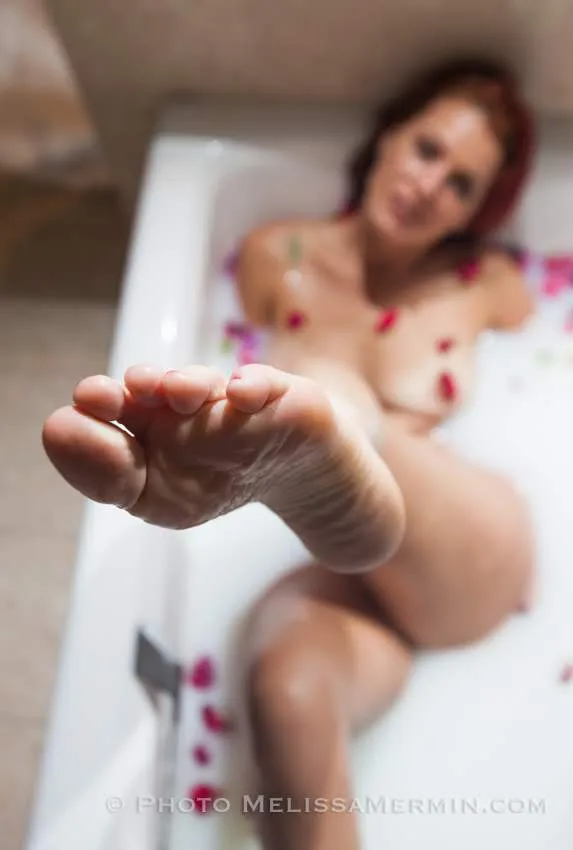
Foot Fetish
The most common body-part attraction in the world, and far more psychologically interesting than most people give it credit for.
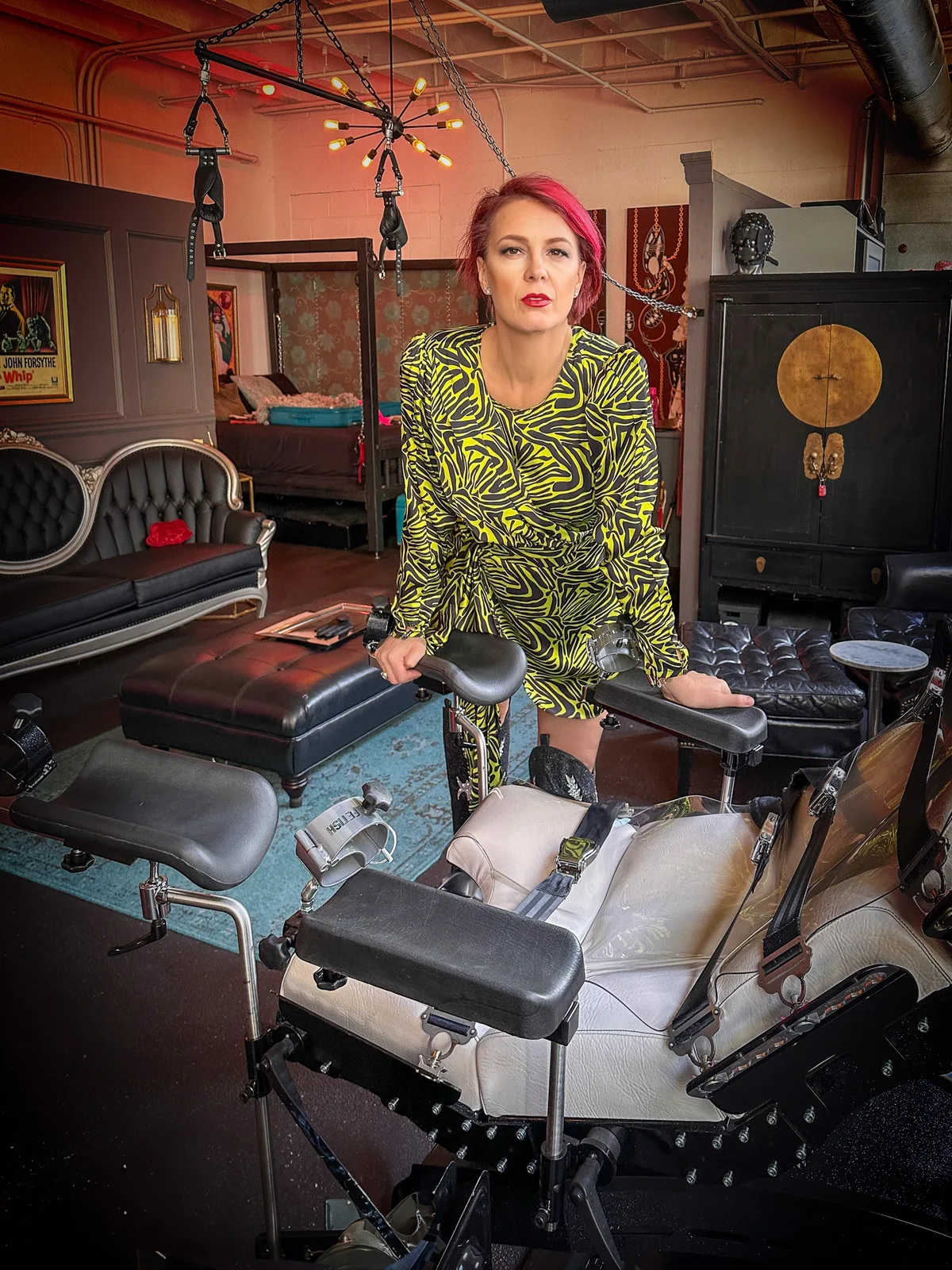
Bondage
Restraint as doorway: rope, leather, immobilization, what becomes possible when you cannot leave.
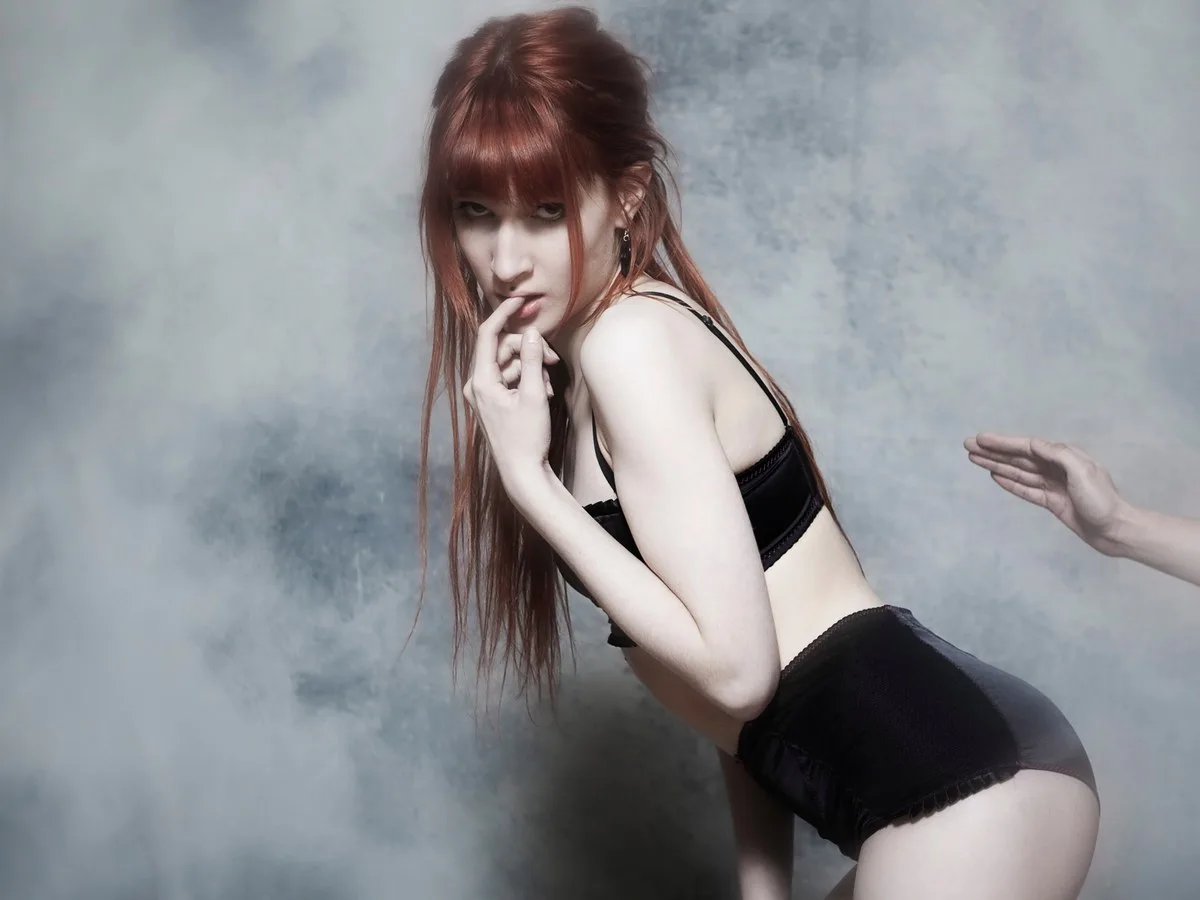
Spanking
Impact play in NYC, hand, paddle, crop, cane. How tone changes what your body responds to.